Importance of AI in Financial Institutions
AI technology has become a game-changer in the financial industry, revolutionizing the way institutions operate and provide services to their customers. By leveraging AI, financial institutions can enhance efficiency, improve decision-making processes, and offer personalized experiences to clients.
AI Applications in Financial Services
- Risk Management:AI algorithms can analyze vast amounts of data in real-time to detect anomalies and predict potential risks, helping financial institutions mitigate losses.
- Fraud Detection:AI-powered systems can identify suspicious patterns and behaviors, enabling financial institutions to combat fraud more effectively and protect their customers' assets.
- Customer Service:Chatbots and virtual assistants powered by AI technology can provide 24/7 support to customers, answering queries and resolving issues promptly.
Benefits of AI Technology for Financial Institutions
- Cost Reduction:AI tools can automate repetitive tasks, reducing operational costs and allowing employees to focus on more strategic activities.
- Improved Decision-Making:AI algorithms can analyze data faster and more accurately than humans, enabling financial institutions to make data-driven decisions that drive business growth.
- Enhanced Customer Experience:Personalized recommendations and tailored services powered by AI technology can enhance customer satisfaction and loyalty.
Increased Efficiency through AI
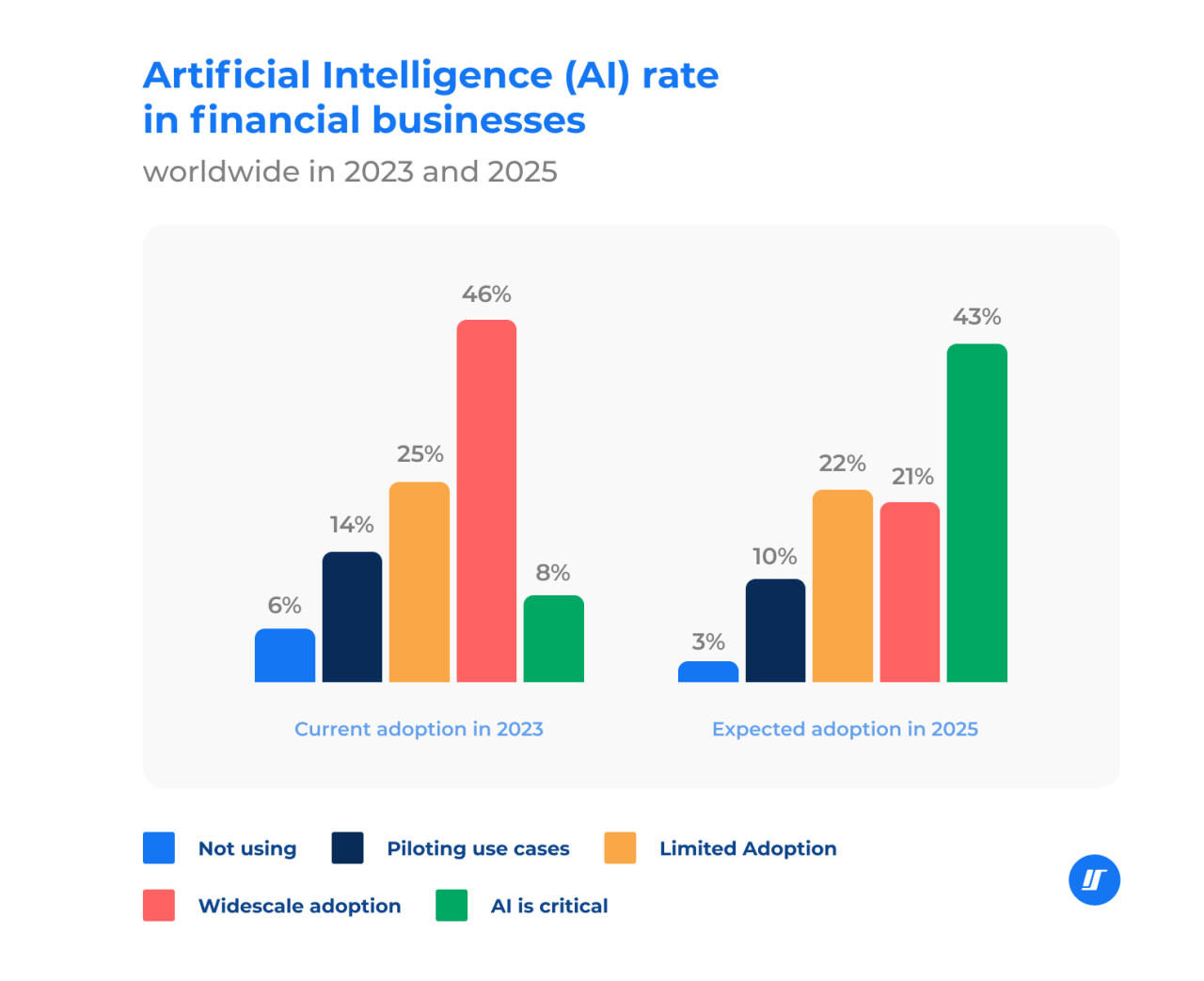
AI technologies play a crucial role in enhancing operational efficiency within financial institutions. By automating repetitive tasks and providing valuable insights, AI helps streamline processes and improve overall productivity.
Speed and Accuracy Comparison
- Manual processes in financial institutions often involve time-consuming tasks such as data entry, verification, and analysis. This can lead to delays and errors due to human limitations.
- On the other hand, AI-driven processes can perform these tasks at a much faster pace and with higher accuracy. AI algorithms can analyze large datasets in seconds, identify patterns, and make data-driven decisions in real-time.
Real-World Case Studies
- JP Morgan Chase:The multinational investment bank implemented AI-powered algorithms to analyze legal documents. This led to a significant reduction in the time required for document review and improved compliance accuracy.
- HSBC:The global bank utilized AI to enhance customer service through chatbots. This resulted in faster response times to customer queries, leading to increased customer satisfaction and loyalty.
Risk Management and Fraud Detection
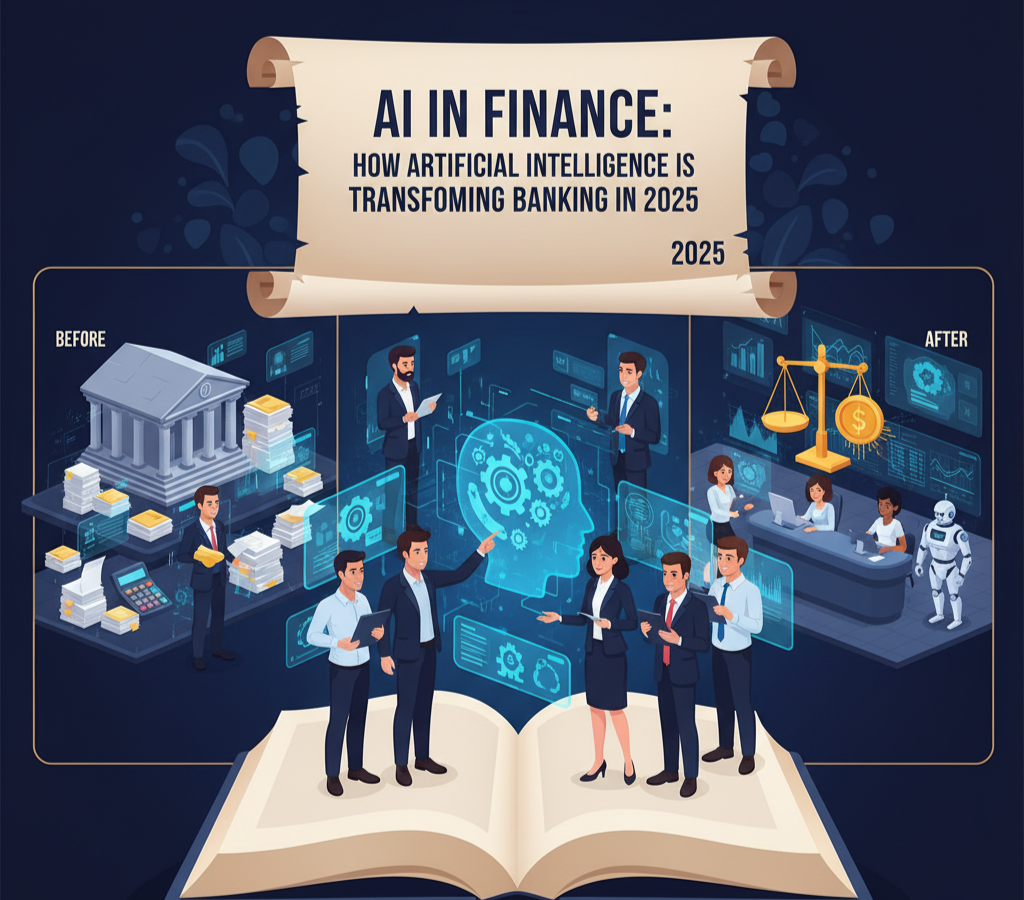
AI plays a crucial role in detecting and preventing fraud in financial transactions. By utilizing machine learning algorithms, AI can analyze vast amounts of data in real-time to identify patterns and anomalies that may indicate fraudulent activities. This proactive approach enables financial institutions to mitigate risks and protect their customers from potential fraud.
Enhancing Risk Management Practices
AI enhances risk management practices within financial institutions by providing predictive analytics and real-time monitoring capabilities. Through AI-powered algorithms, institutions can assess risks more accurately and quickly, allowing for timely decision-making to minimize potential losses. Moreover, AI can assist in identifying emerging risks and trends that may not be easily detected through traditional methods, thereby improving overall risk management strategies.
- AI tools like anomaly detection algorithms can flag unusual patterns in transactions, helping to identify potential fraudulent activities.
- Machine learning models can analyze customer behavior and transaction data to detect any deviations from normal patterns, alerting institutions to suspicious activities.
- Natural language processing (NLP) algorithms can scan text data, such as emails and chat logs, to identify fraudulent communications or phishing attempts.
Personalized Customer Experiences
AI technology plays a crucial role in enabling financial institutions to offer personalized services to their customers. By leveraging AI algorithms, these institutions can analyze vast amounts of customer data to provide tailored recommendations and solutions based on individual preferences and behaviors.
AI-Driven Data Analysis
- AI algorithms can analyze customer transaction history, spending patterns, and interactions with the financial institution to create personalized offers and product recommendations.
- By understanding each customer's unique needs and preferences, financial institutions can provide targeted services that are more likely to meet their expectations.
- Through predictive analytics, AI technology can anticipate customer needs and behaviors, allowing institutions to offer proactive solutions and personalized experiences.
Impact on Customer Retention and Loyalty
- Personalized customer experiences lead to higher customer satisfaction and loyalty, as customers feel valued and understood by the financial institution.
- By offering tailored solutions and recommendations, financial institutions can enhance the overall customer experience and build long-lasting relationships with their clientele.
- Customers are more likely to remain loyal to a financial institution that provides personalized services, leading to increased customer retention rates and higher lifetime value for the institution.
Questions Often Asked
How is AI transforming the financial industry?
AI is revolutionizing the financial sector by automating processes, improving decision-making, and enhancing customer experiences.
What are some examples of AI applications in financial services?
AI is used for fraud detection, algorithmic trading, credit scoring, and customer service chatbots, among other applications.
How does AI help in detecting and preventing fraud in financial transactions?
AI analyzes large volumes of data to identify patterns indicative of fraudulent activities and can flag suspicious transactions in real-time.
How does AI enable financial institutions to offer personalized services?
AI algorithms analyze customer data to create personalized recommendations, tailored products, and customized interactions based on individual preferences.