Importance of Life Insurance for Small Business Owners

Life insurance is a crucial financial tool for small business owners, providing protection and security for both their families and their businesses. Here's why life insurance is so important:
Protecting Your Family and Business
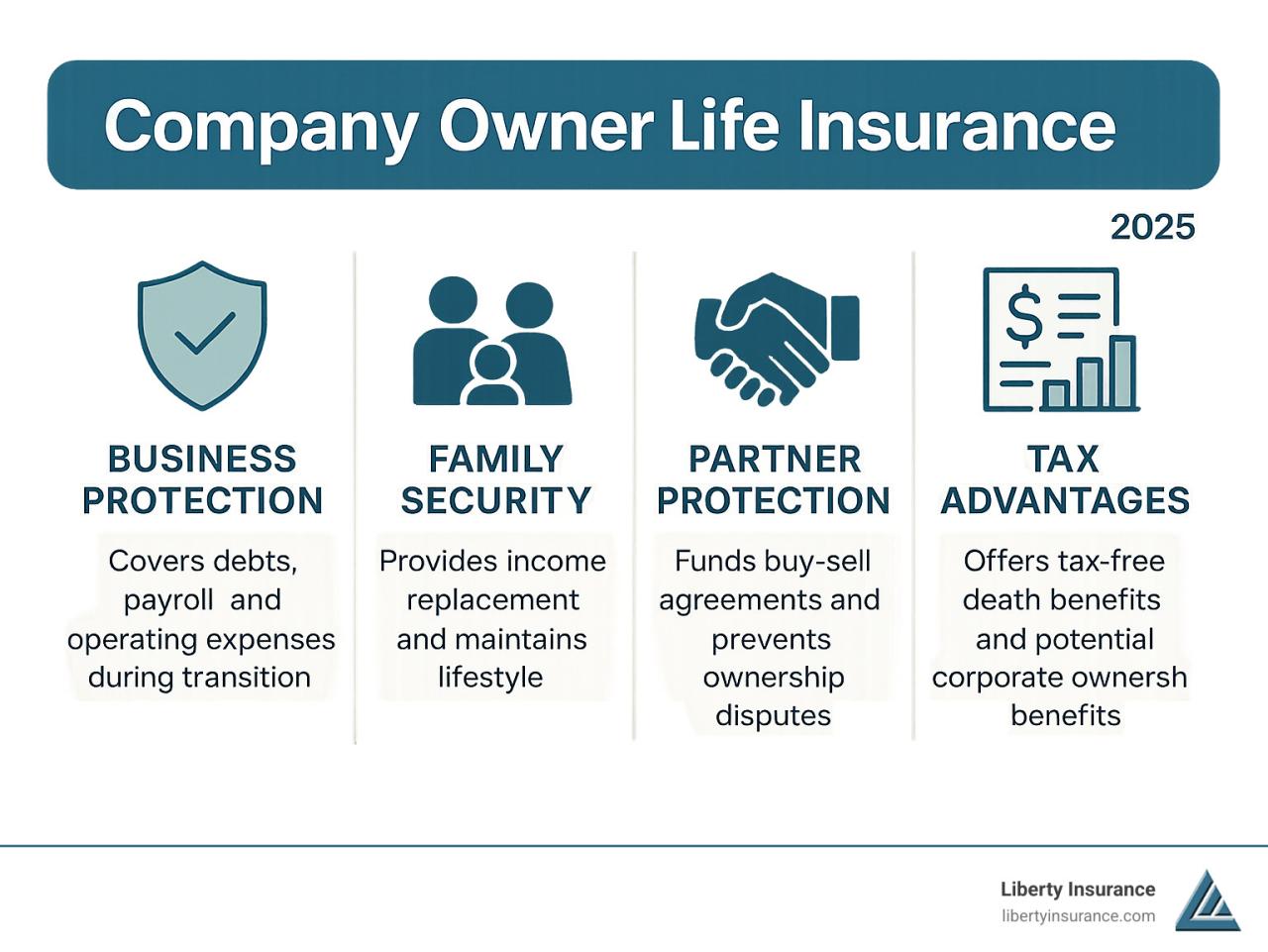
- Life insurance ensures that your loved ones are financially secure in the event of your unexpected passing, providing them with a source of income to cover living expenses, debts, and future financial goals.
- For small business owners, life insurance can also protect the business itself by providing funds to cover outstanding debts, operating expenses, and potential loss of revenue due to the owner's death.
- By securing life insurance, you can safeguard the legacy of your business and ensure its continuity even in your absence.
Minimizing Risks of Not Having Life Insurance
- Without life insurance, small business owners risk leaving their families and businesses vulnerable to financial instability and uncertainty.
- In the absence of life insurance, the burden of debts and financial responsibilities may fall on surviving family members, potentially leading to the liquidation or closure of the business.
- Not having life insurance can jeopardize the long-term viability of the business and put the livelihood of employees at risk.
Types of Life Insurance Options Available
When it comes to protecting your small business and ensuring your legacy, there are different types of life insurance policies available to choose from. Understanding the options can help you make an informed decision that suits your unique needs.
Term Life Insurance
Term life insurance is a straightforward and affordable option for small business owners. This type of policy provides coverage for a specific period, typically ranging from 10 to 30 years. If the policyholder passes away during the term, their beneficiaries receive a death benefit.
However, once the term ends, the coverage expires, and there is no cash value associated with the policy.
Whole Life Insurance
On the other hand, whole life insurance offers lifelong coverage as long as premiums are paid. This type of policy not only provides a death benefit but also includes a cash value component that grows over time. Small business owners may find whole life insurance beneficial for estate planning, as it can help preserve wealth and provide financial security for beneficiaries.
Key Factors to Consider
- Consider your budget and financial goals when choosing between term and whole life insurance.
- Evaluate the coverage amount needed to protect your business and provide for your loved ones.
- Assess the tax implications of different life insurance policies to maximize benefits for your small business.
- Consult with a financial advisor or insurance professional to determine the best policy based on your individual circumstances and long-term objectives.
Coverage Amount and Determining Factors
When it comes to life insurance for small business owners, determining the appropriate coverage amount is crucial to ensure financial protection for your loved ones and your business. There are several factors that come into play when calculating the coverage amount needed.
Factors Influencing Coverage Amount
- Your current financial obligations, including business debts, personal debts, and ongoing expenses.
- The number of dependents you have and their financial needs, such as education expenses and living costs.
- The value of your business and how much it would take to keep it running smoothly in your absence.
- Your future financial goals, such as retirement savings or leaving a legacy for your family.
Scenarios Where Coverage Amount Calculations are Essential
- Scenario 1: A small business owner has a young family with children who will need financial support for many years to come. Calculating the coverage amount based on their future education expenses and living costs is essential to ensure their well-being.
- Scenario 2: A small business owner has taken on significant debt to finance their business operations. Determining the coverage amount needed to cover these debts and ensure the business can continue to operate is crucial.
- Scenario 3: A small business owner wants to leave a sizable inheritance for their children or grandchildren. Calculating the coverage amount required to achieve this financial goal is necessary to maintain their legacy.
Ensuring Business Continuity with Life Insurance
Life insurance plays a crucial role in ensuring the continuity of a small business, especially in the event of the owner's unexpected death. Without proper planning, the sudden loss of a business owner can lead to financial instability, operational disruptions, and even the closure of the business.
Strategies for Business Continuity
- Key Person Insurance: Purchase life insurance for key employees or owners whose absence would significantly impact the business's operations.
- Buy-Sell Agreements: Implement agreements that specify how the business will be transferred in case of the owner's death, funded by life insurance proceeds.
- Debt Coverage: Use life insurance to cover any outstanding business debts to prevent financial strain on the business after the owner's passing.
Real-Life Examples
Life insurance has been instrumental in ensuring business continuity for many small businesses. One such example is a family-owned bakery that secured life insurance for the owner, allowing the business to continue operating smoothly when the unexpected happened. The proceeds from the policy helped cover expenses and provided financial stability during a challenging time.
Key Considerations for Purchasing Life Insurance

When it comes to purchasing life insurance as a small business owner, there are several key considerations that you should keep in mind to ensure you make the right decision for yourself and your business.
Role of Beneficiaries
- Beneficiaries play a crucial role in life insurance decisions for business owners as they are the individuals who will receive the death benefit payout in the event of your passing.
- It is important to carefully consider who you name as your beneficiaries and to regularly review and update this information as your circumstances change.
- Consider how the death benefit will impact your beneficiaries financially and emotionally, and ensure that they are well-informed about the policy details.
Navigating the Process of Purchasing Life Insurance
- Research and compare different types of life insurance policies to determine which option best suits your needs and budget.
- Work with a reputable insurance agent or financial advisor who can guide you through the process and help you understand the terms and conditions of the policy.
- Consider the financial stability and reputation of the insurance company before purchasing a policy to ensure they will be able to fulfill their obligations in the future.
- Review the coverage amount and ensure that it aligns with your business's financial obligations and long-term goals.
Tax Implications and Benefits of Life Insurance for Small Businesses
Life insurance can not only provide financial security for small business owners and their families but also comes with certain tax implications and benefits. Understanding how life insurance premiums are treated for tax purposes and the potential tax benefits associated with life insurance policies is crucial for small business owners looking to protect their assets and plan for the future.
Tax Implications of Life Insurance Premiums
When it comes to life insurance premiums, small business owners can typically deduct the cost of premiums paid for life insurance policies that they own and are beneficiaries of. However, it's important to note that there are certain limitations and restrictions based on the type of policy and the ownership structure.
For example, premiums paid for key person insurance or buy-sell agreement policies may have different tax implications compared to policies taken out for personal protection.
Tax Benefits of Life Insurance Policies
Life insurance policies can offer various tax benefits for small business owners, such as the tax-deferred growth of cash value within a permanent life insurance policy. This means that the cash value accumulation in the policy grows tax-free until it is accessed by the policyholder.
Additionally, death benefits paid out to beneficiaries are generally income tax-free, providing a tax-efficient way to pass on assets to loved ones or business partners.
Using Life Insurance as a Tax-Efficient Strategy
Small business owners can leverage life insurance as a tax-efficient strategy by structuring policies in a way that aligns with their overall financial goals and tax planning objectives. For example, using life insurance to fund a buy-sell agreement can ensure a smooth transfer of business ownership in the event of a partner's death while providing tax advantages for the business and surviving partners.
By carefully considering the tax implications and benefits of life insurance, small business owners can optimize their financial strategies and protect their legacy effectively.
Answers to Common Questions
What factors determine the coverage amount for a small business owner's life insurance policy?
The coverage amount is influenced by factors such as the business's financial obligations, outstanding debts, and anticipated future expenses.
How can life insurance help ensure the continuity of a small business after the owner's death?
Life insurance can provide funds for business operations, buyout arrangements, or key employee retention, ensuring the business can continue to function smoothly.
What are some key considerations when selecting beneficiaries for a small business owner's life insurance policy?
Choosing beneficiaries involves considering their financial needs, the impact on the business, and ensuring alignment with the owner's long-term goals for the business.