Introduction to AI in Digital Payments
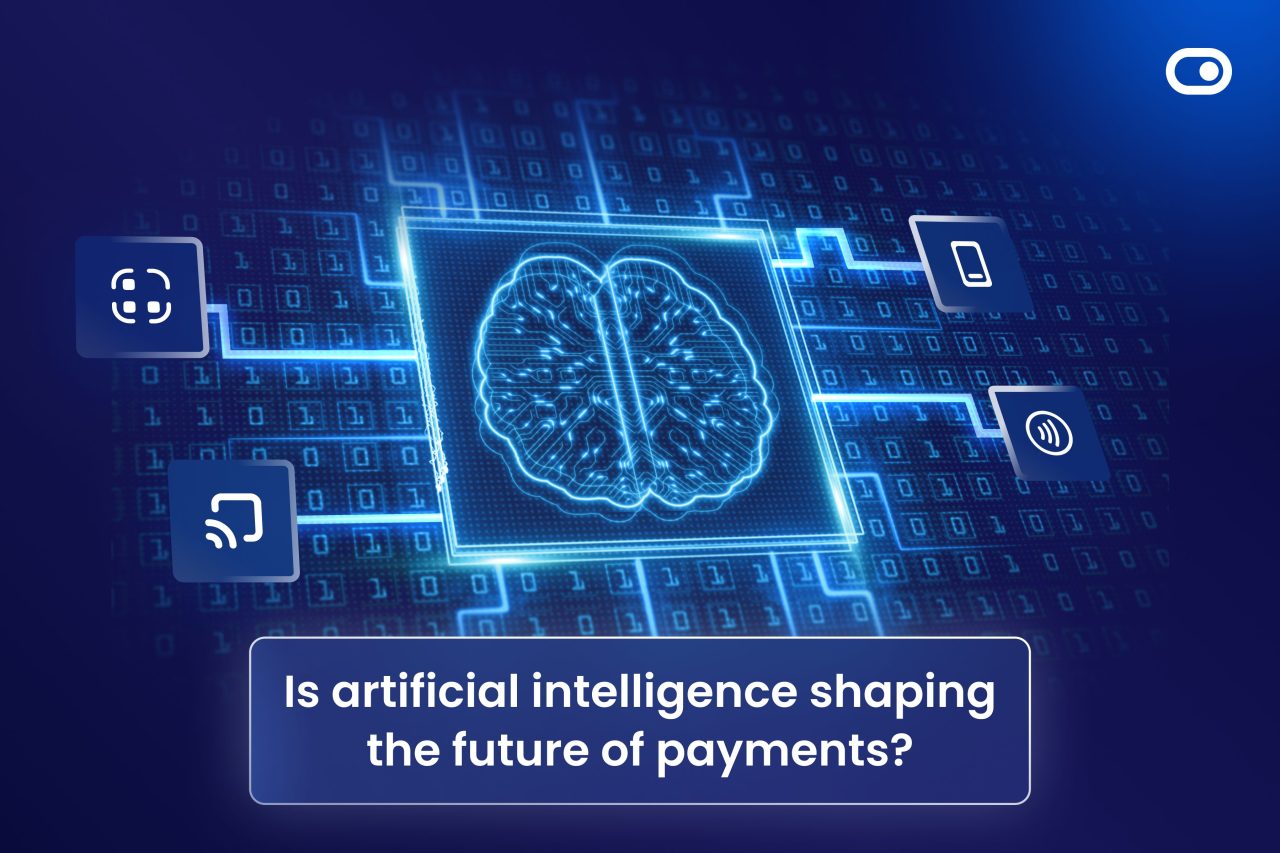
Artificial intelligence (AI) in the realm of digital payments refers to the use of advanced technologies and algorithms to enable machines to mimic human intelligence in processing financial transactions. AI plays a crucial role in revolutionizing the digital payments industry by enhancing security, efficiency, and overall user experience.
The Role of AI in Revolutionizing Digital Payments
AI has transformed the landscape of digital payments by streamlining processes, detecting fraudulent activities, personalizing user experiences, and improving decision-making. The use of machine learning algorithms allows payment systems to analyze vast amounts of data in real-time, enabling quick and accurate transaction approvals.
Examples of AI Applications in Digital Payment Systems
- Fraud Detection: AI algorithms analyze patterns and anomalies in transactions to identify and prevent fraudulent activities, safeguarding users' financial information.
- Chatbots: AI-powered chatbots provide instant customer support, assisting users with payment-related queries and resolving issues promptly.
- Personalized Recommendations: AI algorithms analyze user behavior and preferences to offer personalized product recommendations and discounts, enhancing the overall shopping experience.
- Biometric Authentication: AI-enabled biometric authentication methods such as facial recognition and fingerprint scanning ensure secure and convenient payment processes.
Benefits of AI in Digital Payments
AI plays a crucial role in enhancing the overall security, efficiency, and reliability of digital payment processes. By leveraging advanced algorithms and machine learning capabilities, AI offers various benefits that revolutionize the way transactions are conducted online.
Enhanced Security in Digital Transactions
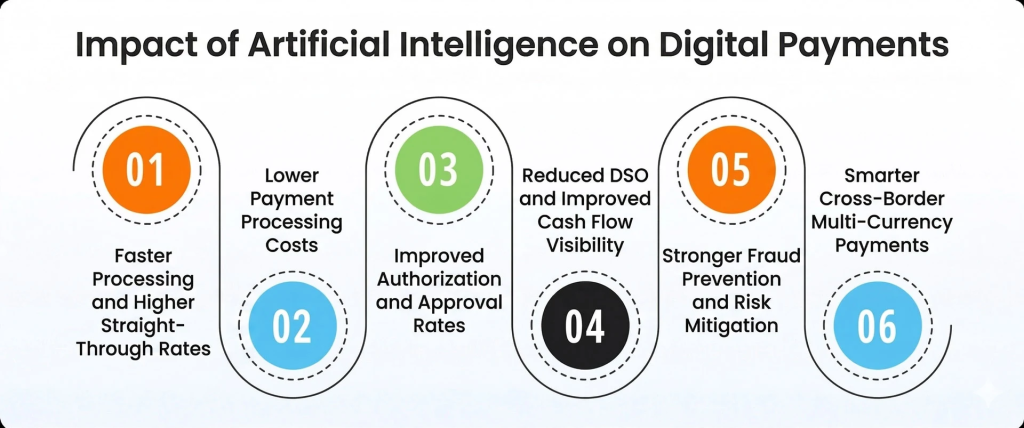
AI technology enables real-time monitoring of transactions, allowing for the immediate detection of any suspicious activities or anomalies. Through continuous analysis of user behavior patterns and transaction data, AI can accurately identify and flag potentially fraudulent transactions. This proactive approach significantly reduces the risk of unauthorized access and ensures the security of digital payments.
Improved Fraud Detection and Prevention
AI-powered fraud detection systems are capable of analyzing vast amounts of data at incredible speeds, enabling the swift identification of fraudulent activities. By utilizing sophisticated algorithms to assess transaction details and user behavior, AI can accurately distinguish between legitimate and fraudulent transactions.
This proactive fraud prevention mechanism minimizes the occurrence of financial losses and safeguards both businesses and consumers from fraudulent activities.
Efficiency Gains through AI Implementation
AI streamlines the digital payment process by automating routine tasks, such as identity verification and transaction monitoring. This automation not only reduces the operational costs associated with manual intervention but also accelerates the payment processing speed. Additionally, AI-driven systems can provide personalized recommendations to users based on their transaction history and preferences, enhancing the overall customer experience and increasing user satisfaction.
Challenges of AI in Digital Payments
Artificial Intelligence (AI) has revolutionized the digital payment landscape, but it also comes with its own set of challenges that need to be addressed.
Potential Security Risks
AI adoption in payment systems can introduce potential security risks that need to be carefully managed. One of the main concerns is the possibility of AI algorithms being manipulated or hacked by cybercriminals to gain unauthorized access to sensitive financial information.
This could lead to data breaches, identity theft, and financial fraud, undermining the trust and integrity of digital payment platforms.
Ethical Considerations in Decision-Making
Ethical considerations play a crucial role in AI-driven decision-making within financial transactions. The use of AI algorithms to make decisions on behalf of users raises questions about transparency, accountability, and fairness. There is a need to ensure that AI systems are programmed to adhere to ethical standards and regulations to prevent discriminatory practices or biased outcomes in financial transactions.
Impact of AI Biases
AI biases can inadvertently affect digital payment processes, leading to unfair treatment or discrimination against certain individuals or groups. Biases in AI algorithms can result from flawed data sets, lack of diversity in training data, or inherent biases of the programmers.
It is essential to address these biases through ongoing monitoring, evaluation, and adjustment of AI systems to promote fairness and inclusivity in digital payments.
Future Trends of AI in Digital Payments
AI advancements are set to revolutionize the landscape of digital payment technologies, offering a glimpse into a future where transactions are faster, more secure, and highly personalized. As we look ahead, the integration of AI with digital payments is expected to bring about a host of exciting developments that will reshape the way we interact with financial services.
Personalized User Experiences
AI has the potential to revolutionize the way users interact with payment platforms by offering highly personalized experiences. By analyzing vast amounts of data, AI algorithms can tailor payment suggestions, rewards, and offers to individual users based on their spending habits, preferences, and behavior.
This level of personalization not only enhances user satisfaction but also drives engagement and loyalty among consumers.
Integration with Blockchain Technology
One of the most anticipated trends in the future of digital payments is the integration of AI with blockchain technology. Blockchain's decentralized and secure nature combined with AI's analytical capabilities can streamline payment processes, reduce fraud, and enhance transparency in transactions.
AI-powered algorithms can help optimize blockchain networks, improve transaction speeds, and ensure the integrity of payment data, making digital payments more efficient and secure than ever before.
Enhanced Fraud Detection and Prevention
AI will play a crucial role in enhancing fraud detection and prevention in digital payments. Advanced AI algorithms can analyze patterns, detect anomalies, and identify suspicious activities in real-time, enabling payment providers to proactively prevent fraudulent transactions. By leveraging AI-powered fraud detection systems, businesses can safeguard their customers' financial information and ensure the security of digital payment transactions.
Voice-Activated Payments
With the rise of voice-activated assistants like Alexa and Siri, the future of digital payments is likely to include voice-activated payment options. AI-powered voice recognition technology can enable users to make payments using simple voice commands, providing a seamless and convenient payment experience.
This trend is expected to gain traction in the coming years, offering users a hands-free and efficient way to conduct transactions securely.
Predictive Analytics for Financial Planning
AI's predictive analytics capabilities can also revolutionize financial planning and management for users. By analyzing spending patterns, income sources, and investment opportunities, AI algorithms can provide personalized recommendations for budgeting, saving, and investing. This level of financial guidance can empower users to make informed decisions and achieve their financial goals with greater ease and confidence.
Detailed FAQs
What are some potential security risks associated with AI adoption in payment systems?
Some risks include data breaches, hacking of AI systems, and vulnerabilities in AI algorithms.
How does AI enhance security in digital transactions?
AI can analyze patterns to detect anomalies, authenticate users, and provide real-time fraud detection.
What is the impact of AI biases on digital payment processes?
AI biases can lead to discriminatory outcomes in decision-making processes, affecting user experiences and fairness.