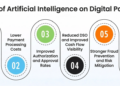
Overview of AI and Automation in Fintech
Artificial Intelligence (AI) and automation have been transformative technologies in the fintech industry, reshaping traditional financial processes and paving the way for innovative solutions. In the context of fintech, AI refers to the simulation of human intelligence processes by machines, enabling them to learn, analyze data, and make decisions autonomously.
Automation, on the other hand, involves the use of technology to perform tasks with minimal human intervention.
Role of AI and Automation in Revolutionizing Fintech
AI and automation have played a crucial role in revolutionizing the fintech industry by enhancing efficiency, accuracy, and security in financial processes. These technologies have enabled fintech companies to streamline operations, improve customer experience, and offer personalized financial services. By leveraging AI algorithms and automation tools, fintech firms can analyze vast amounts of data in real-time, detect patterns, and make data-driven decisions swiftly.
Comparison of Traditional Financial Processes with AI-driven Processes in Fintech
Traditional financial processes often involve manual tasks, lengthy paperwork, and human errors, leading to inefficiencies and delays. In contrast, AI-driven processes in fintech leverage machine learning, natural language processing, and predictive analytics to automate repetitive tasks, reduce errors, and accelerate decision-making.
For example, AI-powered chatbots can provide instant customer support, while automated risk assessment tools can evaluate loan applications efficiently.
Current Applications of AI in Fintech
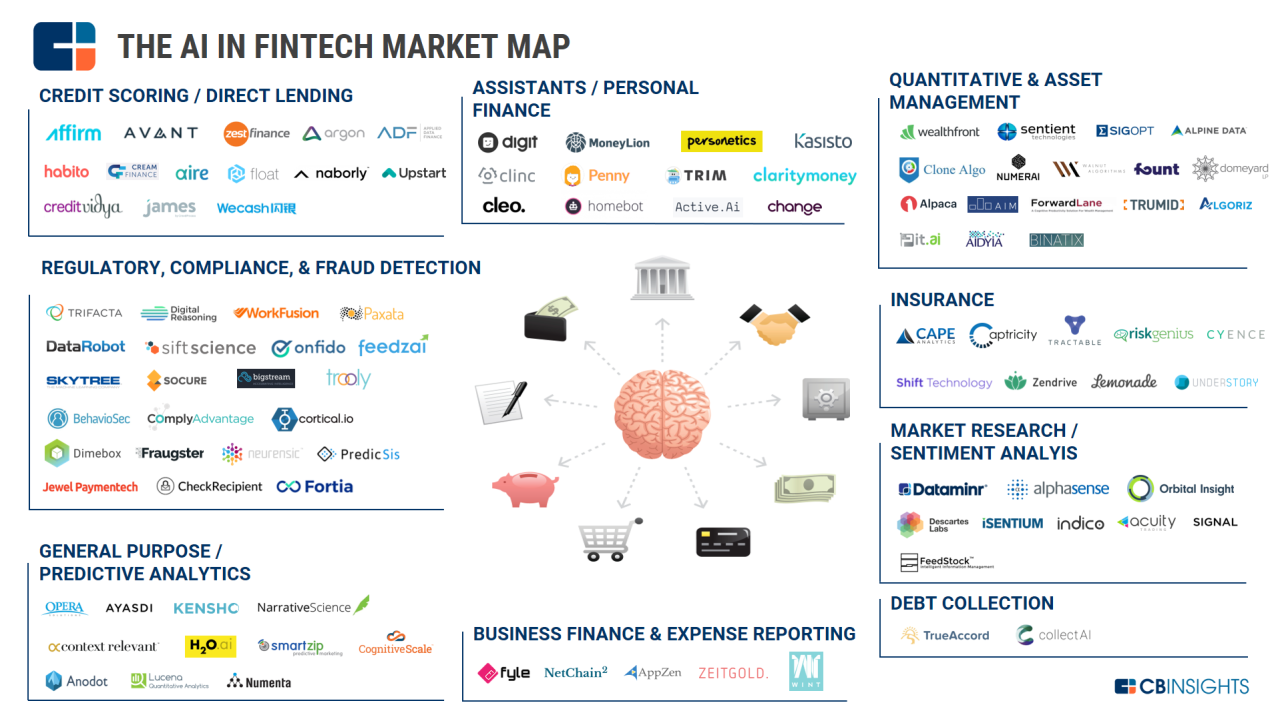
AI has revolutionized the fintech industry by providing innovative solutions to improve operational efficiency, enhance customer experience, and drive financial decision-making. Let's explore some key areas where AI is currently being utilized in fintech.
1. Fraud Detection and Prevention
AI algorithms are used to analyze large datasets and detect patterns that indicate fraudulent activities in real-time. Companies like Feedzai and Featurespace have successfully implemented AI-powered solutions to prevent fraudulent transactions and protect customers from financial losses.
2. Personalized Financial Recommendations
AI-driven robo-advisors are being used by companies like Betterment and Wealthfront to provide personalized investment advice based on individual financial goals, risk tolerance, and market trends. This not only improves the investment decision-making process but also enhances customer satisfaction.
3. Customer Service and Support
Chatbots and virtual assistants powered by AI are increasingly being used by fintech companies to provide round-the-clock customer support, address queries, and assist customers in managing their accounts. This automation of customer service processes improves efficiency and reduces response times.
4. Credit Scoring and Underwriting
AI algorithms have transformed the credit scoring and underwriting processes by analyzing non-traditional data points to assess creditworthiness more accurately. Companies like ZestFinance and Upstart are leveraging AI to offer loans to underserved populations and reduce the risk of default.
5. Risk Management and Compliance
Financial institutions are utilizing AI to streamline risk management processes, ensure regulatory compliance, and identify potential risks proactively. AI tools like Quantexa and Behavox help in monitoring transactions, detecting suspicious activities, and mitigating compliance risks.
6. Algorithmic Trading
AI-powered algorithms are used in algorithmic trading to analyze market data, predict price movements, and execute trades at high speeds. Companies like Kensho and QuantConnect have successfully implemented AI in algorithmic trading strategies to optimize trading decisions and maximize returns.
Future Trends and Innovations in AI and Automation in Fintech
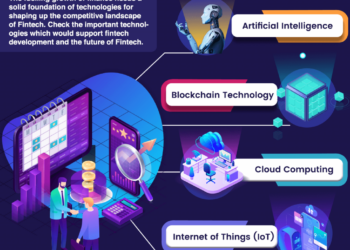
AI and automation are rapidly transforming the landscape of fintech, paving the way for exciting future trends and innovations. Let's delve into some key developments shaping the future of AI in fintech.
Blockchain Technology Integration
Blockchain technology is expected to play a pivotal role in the future of AI in fintech. By enabling secure and transparent transactions, blockchain can revolutionize the way financial institutions operate. The integration of AI with blockchain technology can streamline processes, enhance security, and provide a more efficient and cost-effective solution for various financial services.
Personalized Financial Services
AI-powered algorithms can analyze vast amounts of data to create personalized financial solutions for customers. By leveraging machine learning and predictive analytics, fintech companies can offer tailored recommendations, investment strategies, and risk assessments based on individual preferences and behaviors. This level of personalization can significantly improve customer satisfaction and loyalty.
Rise of Robo-Advisors
Robo-advisors, automated platforms that provide algorithm-based financial advice, are gaining popularity in the fintech industry. These digital advisors utilize AI to offer investment recommendations, portfolio management, and financial planning services without the need for human intervention. The rise of robo-advisors signals a shift towards more accessible and affordable financial guidance for a broader range of consumers.
Enhanced Fraud Detection
AI-powered fraud detection systems are becoming increasingly sophisticated, enabling fintech companies to combat fraudulent activities more effectively. By analyzing patterns, anomalies, and behaviors in real-time, AI algorithms can detect and prevent fraudulent transactions before they occur. This proactive approach to fraud prevention can help safeguard sensitive financial information and protect both businesses and consumers.
Regulatory Compliance Automation
The integration of AI and automation technologies can streamline regulatory compliance processes for financial institutions. By automating data collection, analysis, and reporting tasks, fintech companies can ensure adherence to complex regulatory requirements more efficiently. This automation not only reduces the risk of non-compliance but also frees up resources to focus on innovation and growth.
Ethical Considerations in AI and Automation in Fintech
AI and automation have revolutionized the fintech industry, offering efficiency and convenience in financial services. However, along with the benefits come ethical considerations that must be addressed to ensure fair and transparent practices.
Ethical Implications of AI Algorithms in Financial Decision-Making
AI algorithms play a significant role in financial decision-making processes, analyzing vast amounts of data to provide insights and predictions. However, the use of AI in this context raises ethical concerns regarding accountability and decision-making transparency. It is crucial to consider the potential consequences of relying solely on AI algorithms for financial decisions, as they may lack the human judgment and ethical values necessary to make complex decisions.
Potential Biases in AI-Driven Processes in Fintech
One of the main ethical challenges in AI-driven processes in fintech is the potential for biases to be embedded in algorithms. These biases can stem from the data used to train AI models, reflecting historical inequalities and perpetuating discriminatory practices.
It is essential to continuously monitor and evaluate AI systems to identify and mitigate biases that may impact the fairness and inclusivity of financial services.
Strategies for Ensuring Transparency and Fairness in AI Applications within the Financial Sector
To address ethical concerns related to AI applications in fintech, organizations can implement strategies to promote transparency and fairness. This includes establishing clear guidelines for the use of AI in decision-making, ensuring that algorithms are explainable and interpretable by humans, and regularly auditing AI systems to detect and correct biases.
Additionally, fostering diversity and inclusivity in AI development teams can help mitigate biases and ensure that AI technologies serve a diverse range of users equitably.
FAQ Insights
What are the key areas within fintech where AI is currently being utilized?
AI is currently being used in areas such as fraud detection, customer service chatbots, and personalized financial recommendations.
How can AI disrupt traditional banking and financial services?
AI has the potential to streamline processes, improve decision-making, and enhance customer experiences, leading to significant disruptions in traditional financial services.
What ethical considerations are important in AI and Automation in Fintech?
It's crucial to address potential biases in AI algorithms, ensure transparency in decision-making processes, and implement strategies for fairness and accountability.