Overview of AI Financial Technology Solutions
AI plays a crucial role in revolutionizing financial technology solutions by leveraging advanced algorithms and machine learning capabilities to enhance efficiency, accuracy, and decision-making processes in the financial sector.
Examples of AI Applications in the Financial Sector
- Algorithmic Trading: AI algorithms analyze market trends and execute trades at optimal times to maximize returns.
- Fraud Detection: AI systems can detect unusual patterns in transactions to identify potential fraudulent activities.
- Customer Service Chatbots: AI-powered chatbots provide instant customer support and personalized recommendations.
- Credit Scoring: AI models assess creditworthiness based on a wide range of data points to make more accurate lending decisions.
Benefits of Using AI in Financial Technology for Scalability
- Enhanced Speed and Efficiency: AI can process vast amounts of data at a much faster pace than humans, enabling real-time decision-making.
- Improved Accuracy: AI algorithms minimize errors and biases in financial operations, leading to more reliable outcomes.
- Cost Savings: By automating repetitive tasks and optimizing processes, AI solutions can reduce operational costs for financial institutions.
- Scalability: AI technology can scale operations seamlessly to accommodate growing business needs without compromising performance.
Implementing AI Solutions for Scalable Growth

Implementing AI solutions into financial systems is a crucial step towards achieving scalable growth in today's digital age. By harnessing the power of artificial intelligence, financial institutions can streamline processes, enhance decision-making, and improve overall efficiency. Here are some best practices for successfully integrating AI in financial technology for scalability:
Process of Integrating AI Solutions
- Assessing Needs: Start by identifying the specific areas within your financial system that can benefit from AI solutions. This could include risk management, fraud detection, customer service, or investment strategies.
- Data Collection and Preparation: Gather relevant data from various sources and ensure it is cleaned and organized for AI algorithms to analyze effectively.
- Choosing the Right AI Tools: Select AI tools and technologies that align with your business goals and objectives. Consider factors such as scalability, flexibility, and ease of integration.
- Implementation and Testing: Deploy AI solutions in a phased approach, starting with pilot projects to test functionality and performance. Monitor results closely and make necessary adjustments.
- Training and Maintenance: Provide continuous training to employees to ensure they can effectively utilize AI tools. Regularly update and maintain AI algorithms to keep up with evolving business needs.
Scalability of AI Solutions vs Traditional Financial Systems
- Flexibility: AI solutions are highly adaptable and can scale up or down based on demand, allowing for seamless growth and expansion. Traditional financial systems may require significant manual intervention to accommodate changes.
- Efficiency: AI technologies can automate repetitive tasks, optimize processes, and provide real-time insights for better decision-making, leading to improved efficiency and scalability. Traditional systems may struggle to keep up with increasing volumes of data and transactions.
- Cost-Effectiveness: While initial investment in AI implementation may be higher, the long-term cost savings from increased efficiency and reduced errors can make AI solutions more cost-effective for scalable growth compared to traditional systems.
- Competitive Advantage: By leveraging AI for scalability, financial institutions can stay ahead of the competition, adapt quickly to market trends, and offer innovative services that meet changing customer needs. Traditional systems may lack the agility and innovation required for sustainable growth.
Data Management and Analysis
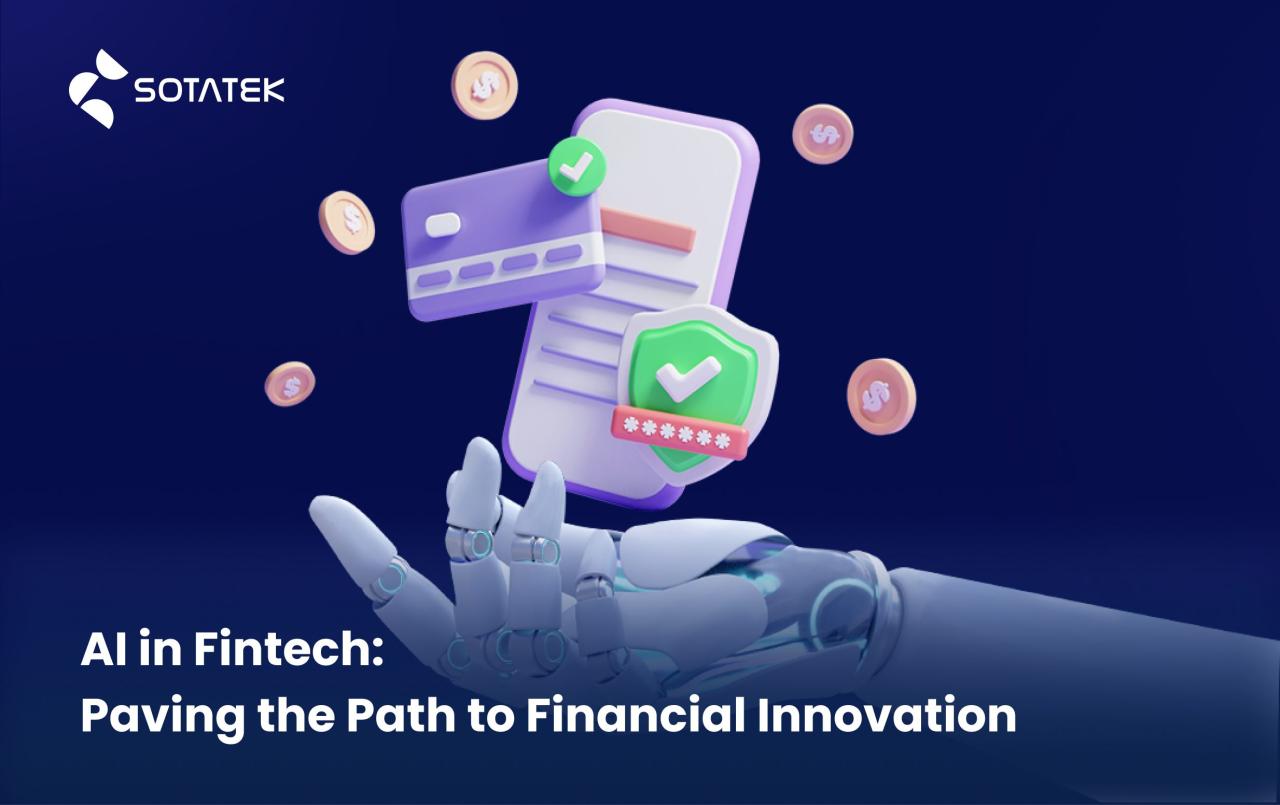
AI plays a crucial role in revolutionizing data management for financial institutions, offering advanced capabilities to process, analyze, and utilize vast amounts of data efficiently. By leveraging AI technologies, financial institutions can streamline their data management processes, enhance data accuracy, and improve decision-making.
AI-Assisted Data Management
- AI algorithms can automate data collection and cleansing processes, ensuring data quality and consistency.
- Machine learning models can categorize and organize data, making it easier to access and analyze relevant information.
- Natural language processing (NLP) enables AI systems to extract insights from unstructured data sources such as customer feedback or social media.
Importance of Data Analysis in Scaling Financial Operations
Data analysis is fundamental for financial institutions looking to scale their operations efficiently and effectively. AI-driven data analysis provides valuable insights that empower organizations to make informed decisions, optimize processes, and drive growth.
- AI algorithms can detect patterns and trends in financial data, helping institutions identify potential risks and opportunities.
- Predictive analytics powered by AI can forecast market trends, customer behavior, and financial outcomes, enabling proactive decision-making.
- Real-time data analysis allows financial institutions to adapt quickly to changing market conditions and customer preferences, enhancing agility and competitiveness.
Examples of Data-Driven Decisions Enabled by AI in Finance
- AI-powered fraud detection systems can analyze transaction data in real-time to identify suspicious activities and prevent fraudulent transactions.
- Personalized recommendation engines use AI to analyze customer data and offer tailored financial products and services based on individual preferences and behaviors.
- Risk assessment models powered by AI analyze historical data to predict creditworthiness, assess loan risks, and make data-driven lending decisions.
Customer Experience Enhancement
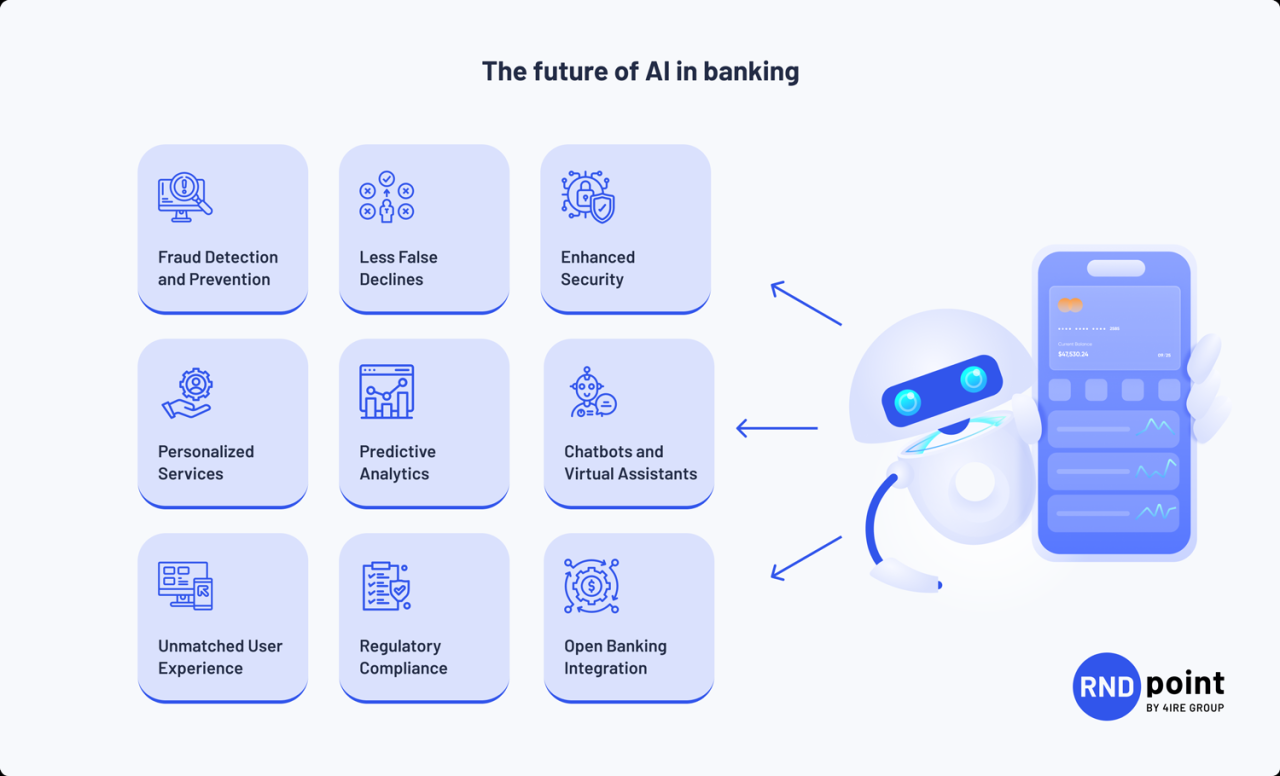
AI technologies play a crucial role in enhancing customer experience in the financial services sector by providing personalized solutions that cater to individual needs. Through the use of AI, financial institutions can offer more efficient and effective services, ultimately leading to improved customer satisfaction.
Personalized Solutions through AI
- AI algorithms analyze customer data to create personalized recommendations for financial products or services based on individual preferences and behaviors.
- Chatbots powered by AI technology provide real-time assistance to customers, addressing queries and concerns promptly, enhancing the overall customer experience.
- AI-driven platforms can offer personalized financial advice, investment options, and budgeting tools tailored to each customer's unique financial goals and circumstances.
Impact on Customer Retention and Acquisition
- By delivering personalized solutions and improved customer service through AI technology, financial institutions can increase customer loyalty and retention rates.
- AI-powered analytics help identify customer trends and behaviors, enabling targeted marketing strategies that enhance customer acquisition and engagement.
- Automation of routine tasks through AI reduces response times, streamlines processes, and ensures a seamless customer experience, leading to higher customer satisfaction levels.
FAQ Summary
How does AI benefit financial technology solutions?
AI enhances efficiency, accuracy, and scalability in financial operations, leading to improved decision-making and customer satisfaction.
What are some best practices for implementing AI in financial systems?
Best practices include starting small, ensuring data quality, and regularly monitoring and updating AI algorithms for optimal performance.
How does AI improve customer experience in financial services?
AI enables personalized solutions, faster response times, and predictive analytics, enhancing overall customer satisfaction and retention rates.